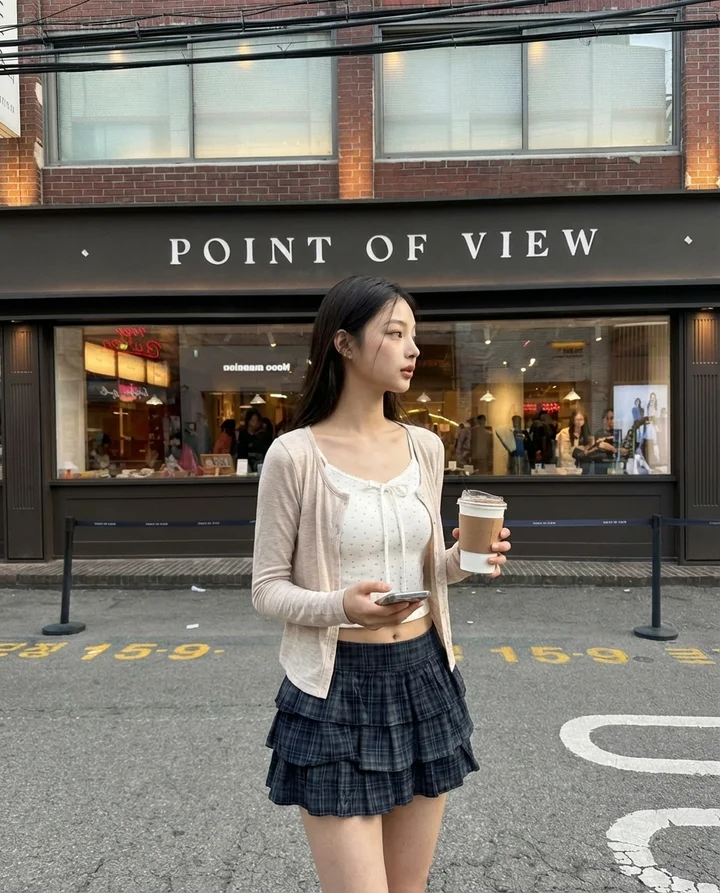
In Western markets, the conversation about AI-generated models is still framed as a debate. Ethical concerns, authenticity questions, consumer trust - the discussion moves in circles. Meanwhile, Korean fashion platforms ran the actual experiment, read the actual results, and kept going. The data said yes. The sales said yes. The buyers didn't leave.
That wasn't a fluke. It was a structural shift - one that started from necessity, proved itself through results, and is now standard operating procedure across Korea's most competitive fashion platforms.
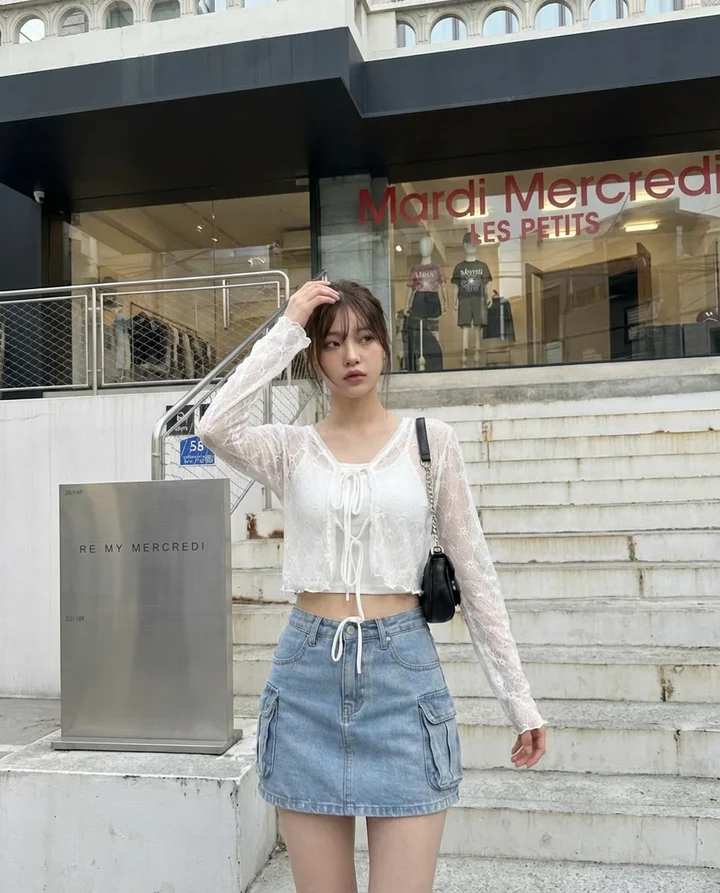
01 - How it started Korea didn't choose AI models. The market forced the question.
Musinsa, Ably, Zigzag - Korea's dominant fashion platforms list hundreds of new products every single day. The traditional production model, booking a model, renting a studio, hiring a photographer, coordinating hair and makeup, then waiting on editing - cannot run at that cadence. Not for small brands working with weekly drops and margins that don't absorb weekly shoot costs.
AI model photography entered the Korean market as a velocity solution, not a trend. Small independent brands adopted it first because they had no realistic alternative for keeping up with their own product schedules. Once it was in the market and normalized - once buyers were encountering AI-generated wearing shots regularly without any visible drop in engagement - larger brands started following.
The adoption curve in Korea was bottom-up: independent brands and small labels first, then mid-size platforms, then established names. By the time the industry was discussing it publicly, it was already everywhere.
AI models didn't win a debate in Korea. They proved themselves in a market where speed and visual quality are both non-negotiable - and discovered that the two don't have to conflict.
02 - What mainstream looks like Not every photo. The right photos.
Mainstream doesn't mean every fashion photo in Korea is AI-generated. The way it actually works in practice is more precise than that.
Real models handle the brand layer: lookbooks, seasonal campaign images, hero content that establishes the brand's visual identity. These are shots that require a specific person, a specific creative direction, and the investment that goes with it. That hasn't changed.
AI handles the catalog layer: new arrivals, SKU-level product shots, color variations, style alternatives that would require multiple shoot days to cover with a traditional crew. This is the layer that was always a compromise - either underserved because shoots were too expensive, or delayed because production couldn't keep pace with inventory.
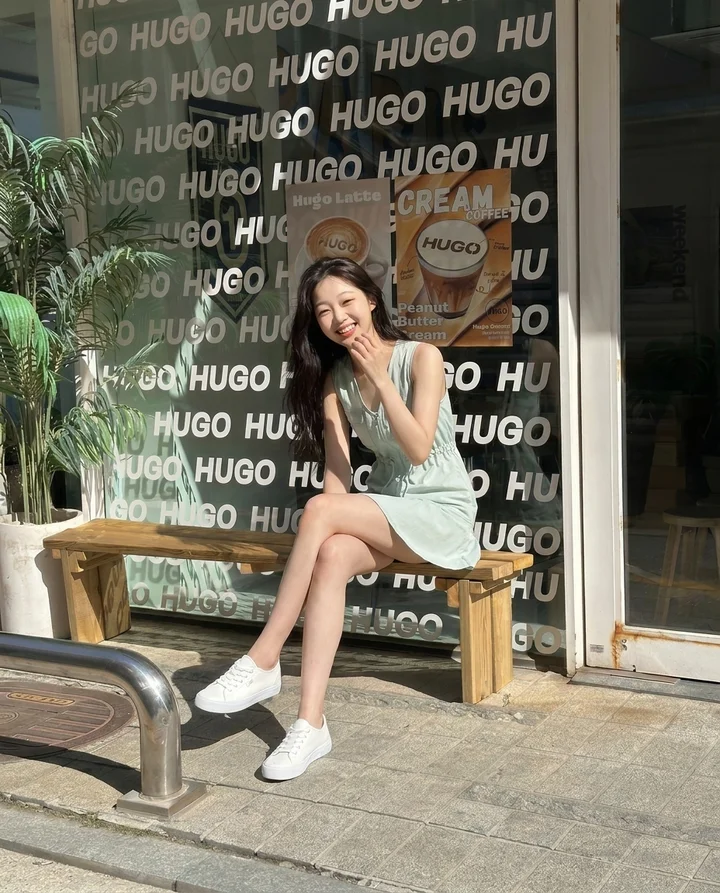
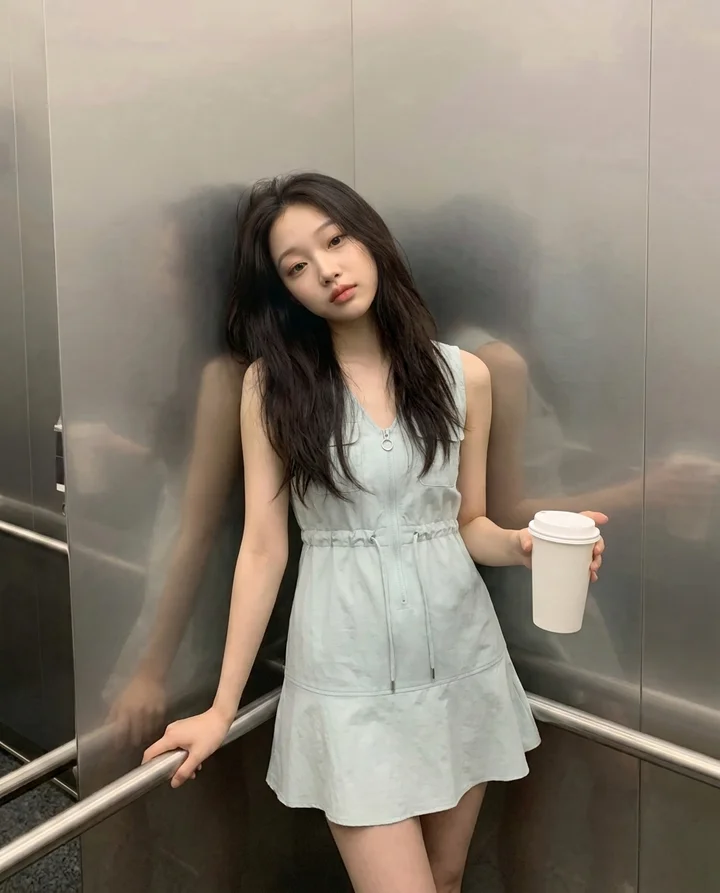
The non-obvious part of this story is what didn't change. The quality bar didn't drop when AI entered the workflow. Korean buyers maintained exactly the visual expectations they always had - natural posture, credible location, lighting that reads as real. AI had to meet that standard, not lower it.


03 - Why it works And why the same AI doesn't work everywhere
The Korean AI model market had its failures too. Generic tools trained on broad western datasets produced photos that looked wrong to Korean buyers - not always in ways they could articulate, but in ways they responded to. Expression slightly off. Light slightly wrong. Posture that didn't match the visual conventions of Korean fashion photography.
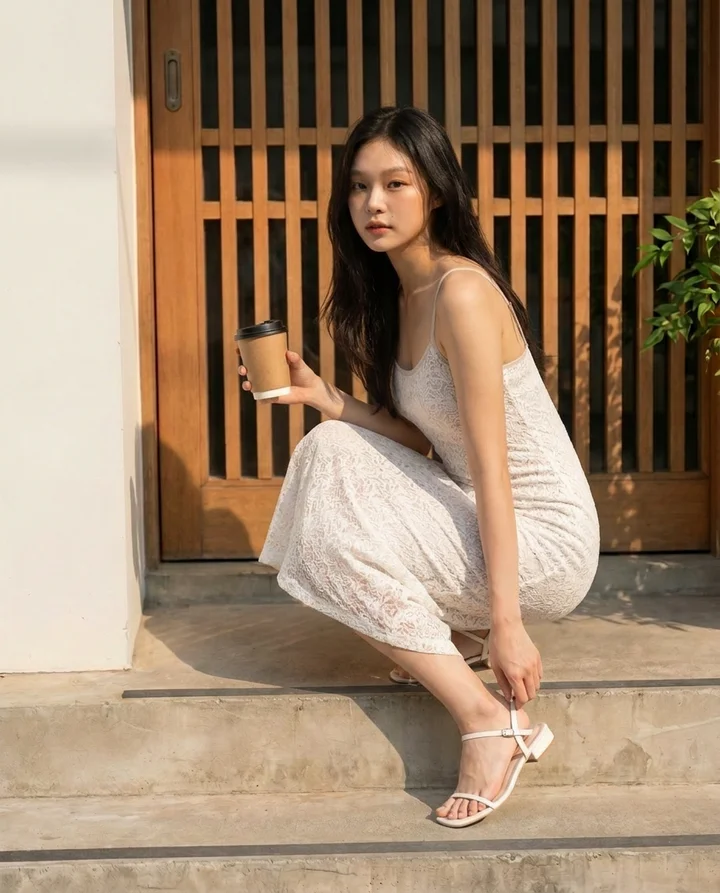
What works is AI trained on the specific visual language of Korean fashion photography. That means natural-looking posture shaped by years of Korean platform imagery, color temperature that matches Seoul's street and cafe environments, and an understanding of how Korean models actually stand, move, and hold themselves in commercial wearing shots.
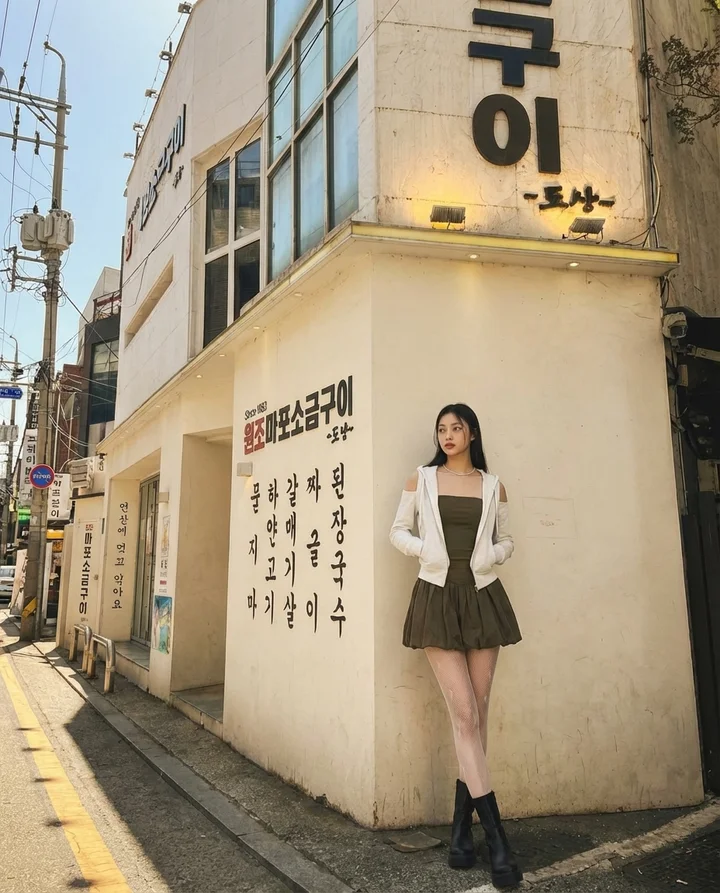
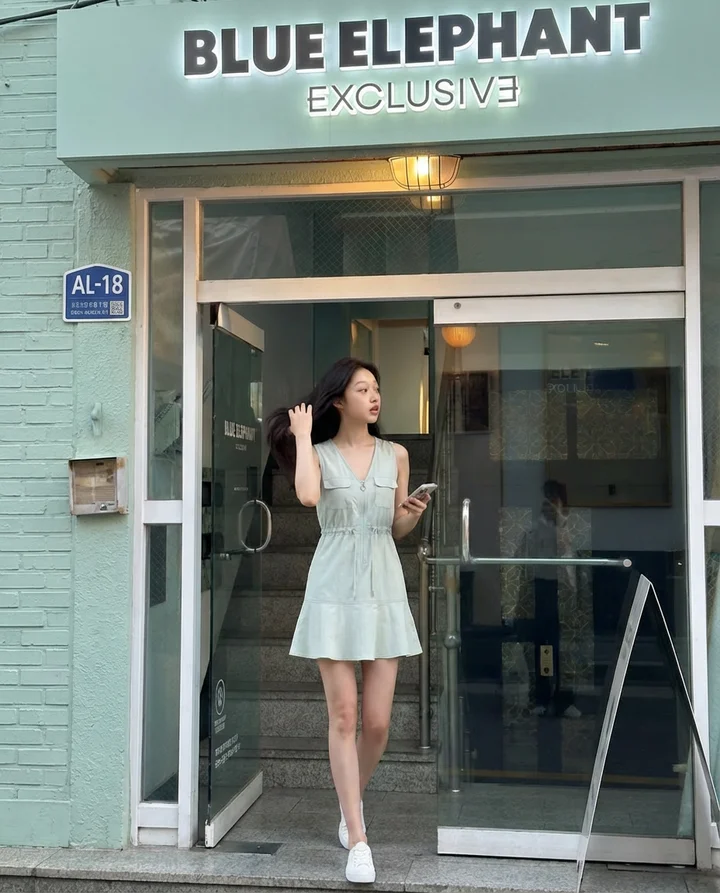
"AI model photography" is not one thing. The output depends entirely on the training data behind it. An AI trained on Korean fashion platform imagery produces a fundamentally different result than one trained on global stock photo datasets - even when you ask both for the same shot.
This is the distinction that separates photos that convert on Korean platforms from photos that technically show a product on a model.
04 - The wave going global The visual standard Korea built isn't staying in Korea
K-drama, K-pop, and a decade of Korean content exported globally have done something specific to buyer expectations. A generation of shoppers - particularly Gen Z buyers in North America, Southeast Asia, and Europe - has been calibrated to Korean visual aesthetics through years of consumption. They know what good Korean fashion photography looks like, even if they've never articulated it as such.
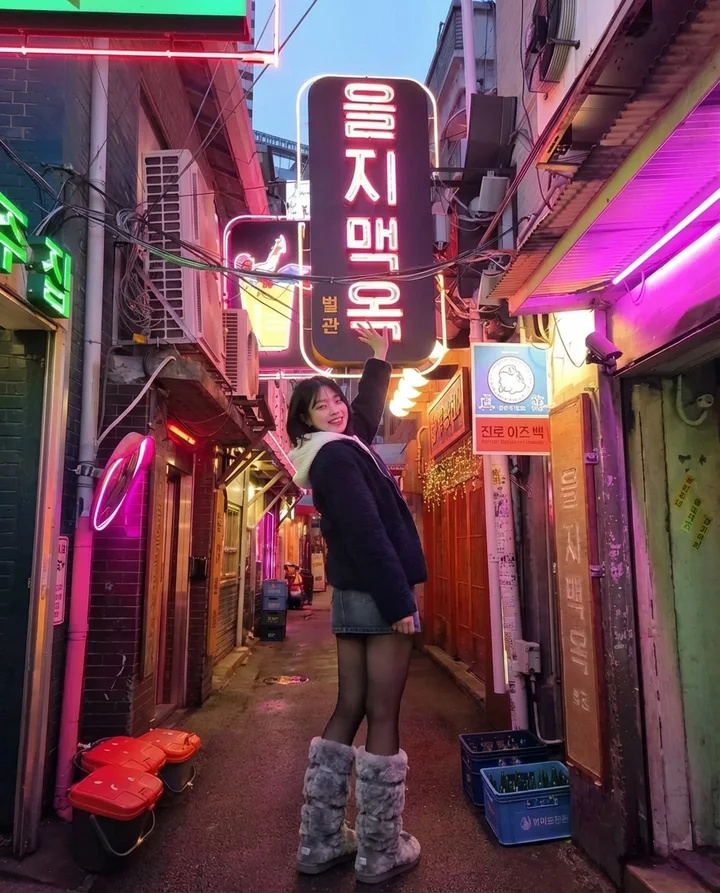
Naver's integration with Amazon and Rakuten accelerates this. International sellers on Amazon are now entering a market where the visual expectations are defined by Korean platforms - not by western e-commerce conventions. The sellers who prepared for that will perform differently from the ones who didn't.
-
-
Korean platform sellers Already operating under these standards. The AI model infrastructure is in place. The workflow is established. The only question is whether the tools are optimized for the specific platform they're targeting.
-
-
Amazon sellers entering Korea via Naver Facing the gap cold. Their existing photos were produced for a different visual standard. The transition requires either a production investment or a smarter tool - not a debate about AI acceptability.
-
-
International brands targeting Korean-influenced buyers globally The audience exists everywhere now. Gen Z buyers in the US and Europe who follow Korean fashion content are applying Korean visual standards to every fashion brand they encounter - whether that brand knows it or not.
05 - What this means right now The market moved. The question is whether you did too.
If you sell fashion to buyers influenced by Korean aesthetics - directly through Korean platforms, through Amazon's Naver integration, or through global channels reaching Gen Z audiences shaped by Korean content - your photos need to meet the standard Korean platforms set.
That's not a stylistic preference. It's a conversion requirement. Buyers calibrated to Korean fashion photography read the difference between a photo that belongs in that world and one that doesn't. They can't always articulate what's wrong. But the bounce rate reflects it.
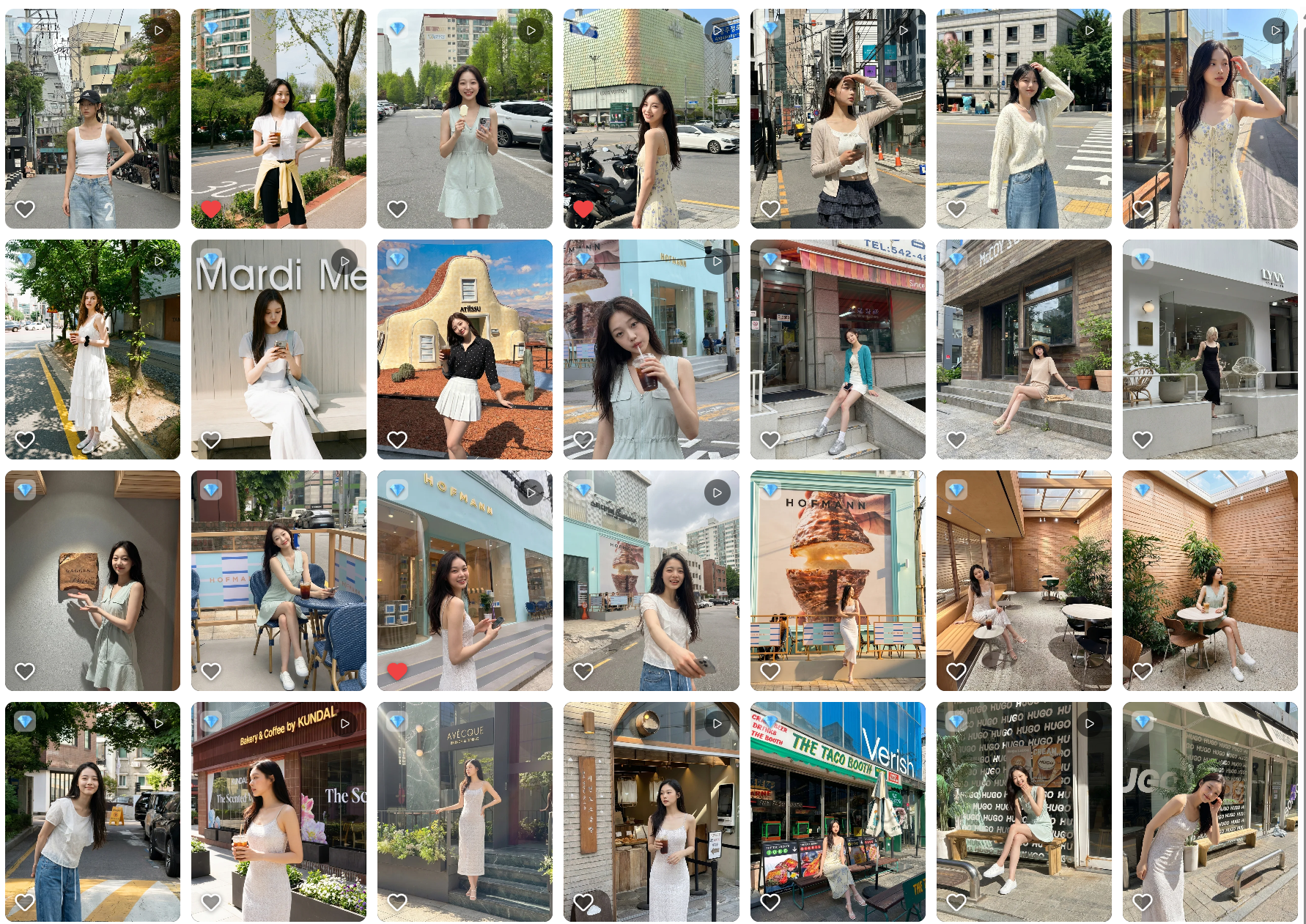
The brands already ahead of this aren't the ones who resolved the AI debate in their heads. They're the ones who ran their own experiment, read their own results, and kept going - the same way Korean platforms did two years ago.
AI model photography built on Korean fashion data - not western stock imagery
StyleRoom was trained on the visual language of Korean fashion platforms - the posture, the locations, the color temperature, the styling conventions that Korean buyers actually respond to. Upload a product photo, choose a model and a Seoul neighborhood, and get wearing shots that meet the standard the Korean market set.
Try StyleRoom
See what Korean-trained AI model photography looks like on your products.