
You've decided to use a Korean model for your product shots. Good call. But here's what most international brands discover somewhere between that decision and the actual shoot: the gap between "I want to hire a Korean model" and "I have professional photos in my hands" is longer, more expensive, and more layered than it looked at first.
This guide covers what the process actually looks like - the agencies, the steps, the real costs, and the parts that tend to catch people off guard.

01 - The landscape Not all Korean agencies are the same type of thing
Korea's modeling industry isn't structured the way Western talent agencies are. Before reaching out to anyone, it helps to understand who's who.
Talent management agencies represent actors, idols, and high-profile celebrities. SM, YG, HYBE, Sublime Artist Agency, Management MMO. If you've seen a Korean model in a major international brand campaign, she probably came through one of these. Access for overseas brands is possible, but the requirements are real: established brand name recognition, significant campaign budget, and often a Korean intermediary who already has a relationship with the agency. Day rates start high and go higher. For most international brands doing product catalog work, this isn't the right door.
Model and casting agencies are where most international brands actually end up. Agencies like ESteem Models, YG KPlus (the modeling division, separate from entertainment), Stellar Agency, and various mid-size casting houses represent working fashion models whose primary business is commercial photography. This is the accessible route - not cheap, but reachable.
A third option: Korean fashion photographers who work with a regular roster of models and offer combined shoot packages. You hire the photographer, they handle model coordination. Simpler logistics, less control over who you end up with, but it cuts the agency layer entirely.

02 - The process What the booking actually looks like, step by step
Once you've identified the right type of agency, here's what the path from first contact to delivered photos actually looks like.
-
01
Prepare your brief first Agencies will ask for it immediately. You need: a brand overview, product photos, shoot concept with mood board, required deliverables (number of shots, formats, orientations), intended usage scope, and shoot dates. Going in without this slows everything down.
-
02
Initial inquiry Email is standard for first contact; some agencies shift to KakaoTalk for ongoing communication once the relationship is established. Response times vary. Expect 3 to 7 business days for a first reply. If you don't hear back, follow up once - unsolicited international inquiries don't always get prioritized automatically.
-
03
Model card review The agency sends a selection of available models matching your requirements. You review, select candidates in order of preference, and they check availability. First-choice models are often unavailable on your dates. Having second and third choices ready keeps things moving.
-
04
Quote and contract The agency sends pricing. Contracts are typically in Korean. If you don't have Korean legal or business capability on your side, this is where a local coordinator or translator becomes essential - not just for reading the document, but for knowing what's negotiable and what isn't.
-
05
Pre-production Confirm location, photographer (if not bundled), hair and makeup, and the shoot schedule. This phase alone typically takes 1 to 2 weeks once everything is agreed.
-
06
Shoot day, post-production, delivery Basic retouching is usually included; more extensive editing is extra and priced separately. Delivery timelines depend on the photographer, but 1 to 2 weeks after the shoot is typical.
Realistic minimum lead time from first contact to photos in hand: 4 to 6 weeks. More, if anything in the chain hits a snag. Don't start this process two weeks before you need the images.
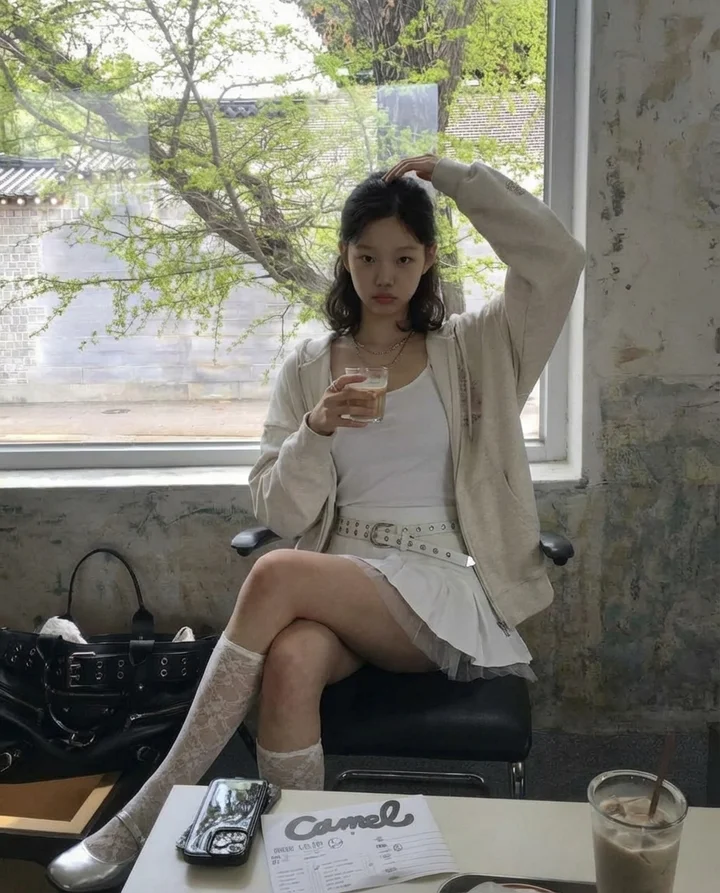
03 - The costs What a Korean model shoot actually runs
Agencies are often vague about pricing upfront. Here are realistic ranges for a standard commercial fashion shoot in Seoul with a mid-tier working model - not a celebrity, not a newcomer.
| Item | Typical range |
|---|---|
| Model day rate (mid-tier) | $800 - $2,000 |
| Agency commission on top | 15 - 30% |
| Hair and makeup | $200 - $500 |
| Studio rental (if applicable) | $200 - $600 / day |
| Location permit (some spots) | $0 - $400 |
| Photographer (if not bundled) | $500 - $1,500 |
| Basic retouching | Often included |
| Realistic minimum for one shoot day | $2,500 - $5,000+ |
These numbers are for a single day in Seoul with one model. They don't include your travel and accommodation if you're coming from abroad, or the usage rights fee - which is a separate line item covered in the next section.
For top-tier models with major agency backing, day rates reach $5,000 to $15,000+. Celebrity appearances are priced separately and negotiated case by case.

04 - Usage rights The part of the contract that surprises most international brands
Korean model contracts separate usage rights from the shoot fee. This is standard in Korean industry practice - but it catches a lot of international brands off guard, sometimes in the form of an unexpected invoice after the shoot is already done.
The rights structure typically breaks down like this:
-
-
Media type Online commercial (e-commerce, digital ads, social), offline print, and broadcast are treated as separate license categories - each with different pricing. Paying for "online use" does not automatically cover print or video.
-
-
Territory Korea-only usage is priced lower. Adding global rights increases the fee, sometimes significantly. If you're selling on international platforms, you need global rights - don't assume a Korea-only license covers your Shopify store.
-
-
Duration 1-year and 2-year licenses are the most common. When the license expires, you must renew or stop using the images. Continuing to use photos after license expiry puts you in breach of contract.
-
-
Social media Many agencies charge a separate fee for social media usage even when you've paid for online commercial rights. This distinction matters more to Korean agencies than to most international brands - but it's in the contract either way.
Before you sign anything, ask the agency for a complete usage rights schedule that covers every channel and territory where you intend to use the photos. Get the full scope in the first contract. Adding licenses piecemeal later costs more - and means going back to the agency each time.

05 - What actually works What international brands that get this right have in common
The brands that successfully navigate Korean model bookings from overseas tend to have a few things in common. None of them are complicated, but skipping any of them adds friction at the worst moments.
-
-
A local point of contact This is the single biggest factor. A Korean-speaking coordinator - even a freelancer - can handle agency communication, review contracts before you sign, manage day-of logistics, and catch issues before they become problems. Coordinating a Korean shoot entirely in English is possible; it's just slower and higher-risk at every step.
-
-
A visual brief, not a written description Korean agencies and models respond much better to visual references than to written descriptions of what you want. A mood board with 10 to 15 reference images - specific pose, expression, setting, styling - communicates more precisely than a paragraph of text. If you're explaining the vibe in words, add photos.
-
-
Usage rights negotiated upfront Define your entire scope before signing - every channel, territory, and time period you think you might use. It's easier to negotiate down on something you don't need than to add it later at post-contract rates.
-
-
Flexible dates Popular models get booked. If you can offer 2 to 3 optional shoot dates rather than a single fixed day, you'll have a significantly better chance of securing your first-choice model without delaying the whole project.


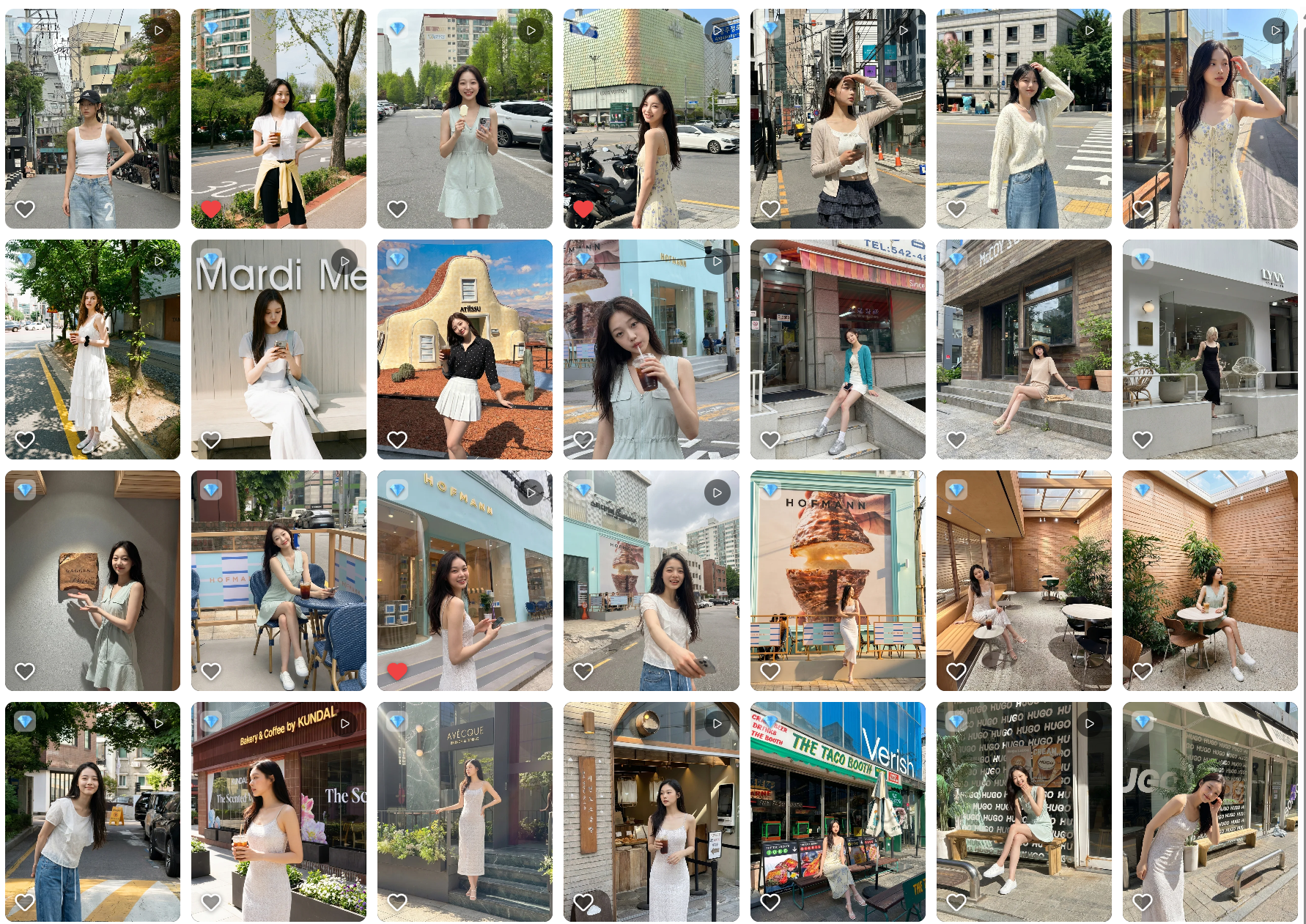
The agency route makes sense for brands with the budget, timeline, and a specific talent requirement - a particular model, a specific face, a one-of-a-kind campaign shoot. For that use case, this is the right process to follow.
For brands that need professional Korean model photography on a product-by-product basis - new arrivals, seasonal refreshes, testing different looks before a larger campaign - the 4-to-6-week lead time and per-shoot cost structure doesn't fit the workflow. That's a different problem, and there's a different answer for it.
Korean model photography without the agency, the timeline, or the license clock
Upload a product photo. Choose a Korean model and a Seoul location. Get professional images in minutes - no brief, no contract, no usage rights expiry. Built on the visual language of Korean fashion platforms, trained to produce images that actually read as Korean.
Try StyleRoom
See your products on a Korean model, in Seoul.