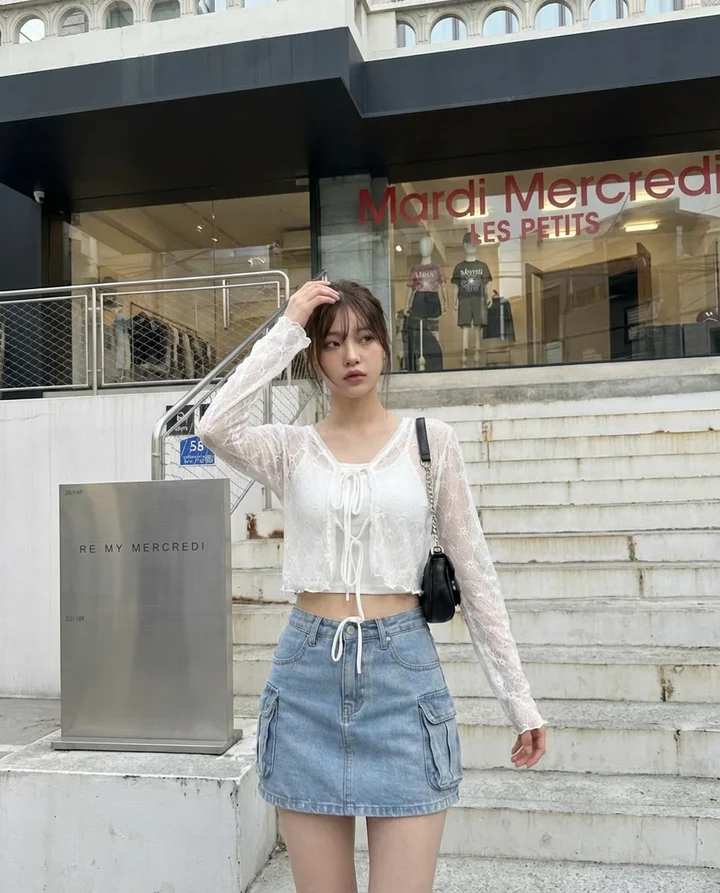
If you sell on Amazon, this matters to you right now. Naver Shopping - the platform that sits at the center of how Korean consumers discover and buy fashion - is moving to integrate directly with Amazon and Rakuten. That means your listings are about to be visible to an audience that shops very differently from the one you've been optimizing for.
The opportunity is real. So is the gap. Korean shoppers don't convert on the same product photos that work everywhere else.
01 - The news What the Naver-Amazon linkage actually means for sellers
Byline Network, June 24 2026 (exclusive): Naver Shopping is pursuing integration with Amazon and Rakuten, enabling Korean users to purchase international products directly through Naver's shopping interface.
For most of e-commerce history, reaching Korean consumers as a foreign seller meant either setting up a local entity, partnering with a Korean distributor, or running paid traffic through channels you had no foothold in. Naver's shopping ecosystem - which handles the majority of product searches in Korea - was effectively closed to international sellers without a local setup.
This integration changes that. It means a Korean shopper searching for a product on Naver can find your Amazon listing and buy it without leaving the Naver interface. The same is coming for Rakuten sellers and the Japanese market.
The window between "your products are now visible to Korean shoppers" and "your conversion rate reflects that" is determined almost entirely by your photos.
02 - The difference Korean shoppers read product photos differently
Korean e-commerce has its own visual language, shaped by years of platforms like Musinsa, Ably, and Zigzag. Scroll speed is fast. Buying decisions happen in seconds. And unlike Western buyers who weight reviews and specs heavily, Korean shoppers put an outsized amount of trust in the photos alone.
The other thing to know: Korea has a strong culture of buyers posting their own wearing photos in reviews. That creates a baseline expectation. Shoppers compare the seller's photos against what they expect to see in real life - and if the gap is too wide, they don't buy.
-
-
White background shots are the entry fee, not the differentiator Every product has a flat lay or a ghost mannequin. It's necessary, but it's not what drives the decision. Korean buyers expect more.
-
-
Wearing photos need to feel lived-in Not studio-polished. Not over-lit. The best-performing product photos on Korean platforms look like something a real person might post from their day - a cafe, a street corner, a staircase in a neighborhood they recognize.
-
-
The "I could wear that" moment has to happen fast Korean shoppers aren't imagining themselves in a studio. They're imagining themselves in a specific kind of day. Your photo either puts them there or it doesn't.
03 - The look What snap-style photos actually look like
Korean sellers and fashion platforms call it the snap photo - a wearing shot that looks like it was taken in the middle of a real day rather than staged for a product listing. The setting matters as much as the styling.
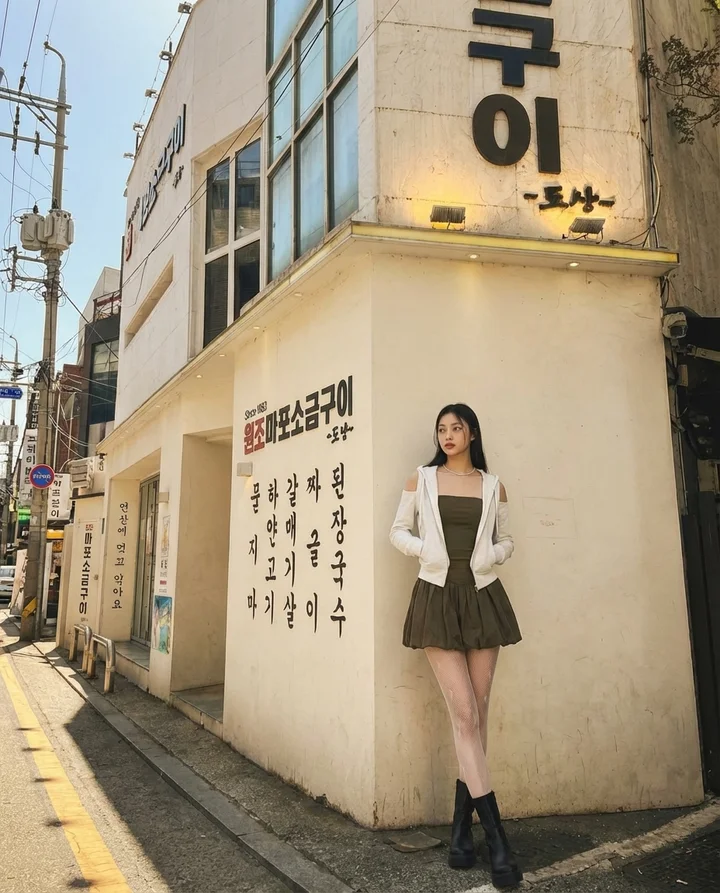
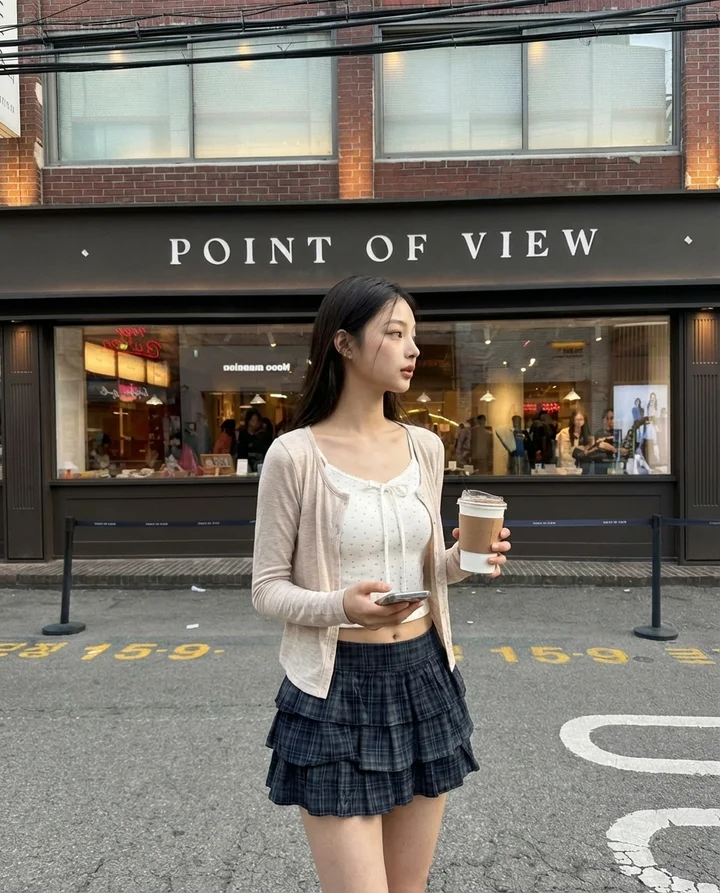
Location isn't decoration here - it's information. Korean buyers read the neighborhood the same way Western buyers might read a brand logo. Mapo says casual and approachable. Mardi Mercredi in Seongsu says trend-forward. A hanok doorway says considered and heritage-adjacent. Each location choice tells the buyer something about the product before they even look at the garment.


The snap photo isn't a style preference. It's a trust mechanism. It shows the buyer what the item actually looks like worn by a real person in a real place - and closes the gap that studio shots leave open.
04 - The problem Snap photos at scale are harder than they look
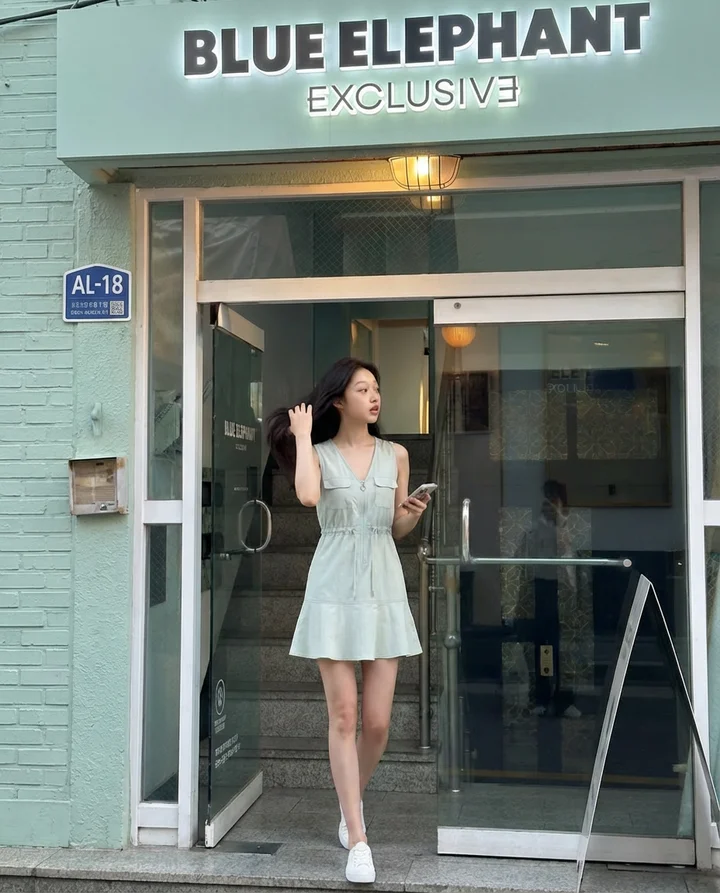
The challenge for most sellers - especially international ones - is that snap-style photos take real production effort. A single location shoot requires: a model, a photographer, location scouting and permits in some cases, hair and makeup, and enough lead time to coordinate all of it. In Seoul, where the locations themselves carry the most cultural weight for Korean buyers, that means planning a trip or working with local production teams you don't have existing relationships with.
And fashion moves fast. If you're listing new SKUs weekly - which many Amazon sellers are - you can't run a Seoul location shoot for every product. The math doesn't work.
The Naver integration creates a new audience for your existing listings. But it also surfaces a problem that was already there: most international fashion sellers don't have photos that work for Korean buyers. They haven't needed to - until now.
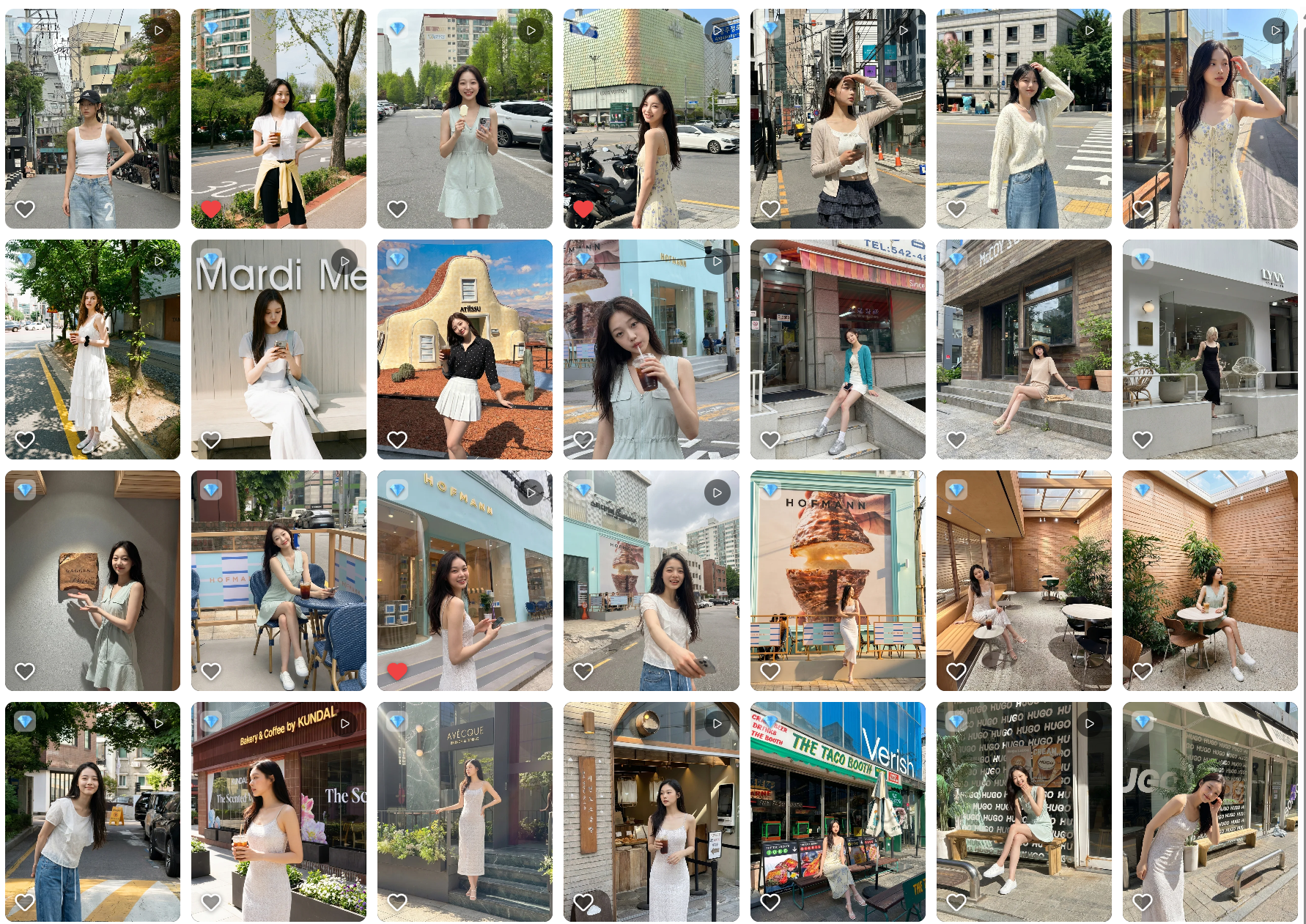
The window between Naver's announcement and the integration going live is the prep time. Sellers who have Korean-market-ready photos when the door opens will be ahead of the ones who start preparing after.
StyleRoom lets you take any product photo and generate a snap-style wearing shot with a Korean model in a Seoul location - Seongsu, Mapo, Apgujeong, Euljiro, hanok alleys, and more. The output is designed around the visual standards of Korean fashion platforms: natural light, realistic posture, locations that carry meaning for Korean buyers. No production trip required.
Korean snap-style photos for every product, without a Seoul shoot
Upload a product photo. Choose a Korean model, a Seoul neighborhood, and a pose. Get wearing shots that match the visual expectations of Korean shoppers - ready before the Naver integration goes live.
Try StyleRoom
Start preparing for Korean buyers today.